E-liquid looks like a simple bottle of liquid, but it involves raw materials, heating chemistry, inhalation exposure and packaging safety. Understanding it means knowing both what is in the bottle and what forms once it is heated.
What e-liquid is made of
Most e-liquids use propylene glycol and glycerol as a base, then add nicotine and flavourings. Formulations differ between products:
Germany's Federal Institute for Risk Assessment (BfR) notes that propylene glycol and glycerol are usually the main components, with flavourings and nicotine among the other common ingredients. https://www.bfr.bund.de/en/release/frequently-asked-questions-about-e-cigarettes/
"Nicotine salt" liquids are also common. "Salt" refers to the chemical form of nicotine, not table salt, and it does not mean the product is non-addictive. Nicotine can exist as a free base or as a salt, so the product name alone tells you nothing about risk. https://www.rivm.nl/en/tobacco/research-lines/research-line-product-composition-emissions
Beyond the ingredient list: what heating creates
The raw liquid and the aerosol you actually inhale are not the same thing. Propylene glycol, glycerol and other ingredients can break down under heat to form aldehydes, and the device itself can contribute metal contaminants. A test report on the raw liquid therefore cannot describe your full exposure. https://www.bfr.bund.de/cm/343/e-cigarettes-in-the-context-of-the-eu-tobacco-control.pdf
By the same logic, "food grade" does not mean "safe to heat and inhale". A sweetener approved for food still needs separate assessment for how it behaves when heated. BfR's assessment of substances such as sucralose suggests some additives may increase the formation of harmful compounds during vaping. https://www.bfr.bund.de/en/notification/flavouring-substances-in-e-cigarettes-updated-assessment-of-safrole-sucralose-and-menthol/
Zero-nicotine products still involve inhaling carriers, flavourings and thermal by-products, so they are not simply "harmless water vapour". https://www.bfr.bund.de/en/release/e-cigarettes-anything-but-harmless/
Core EU requirements currently in force
As of the check date, the core framework for ordinary consumer vaping products in the EU remains the Tobacco Products Directive 2014/40/EU, specifically Article 20 (TPD). The concentration and volume limits below apply to nicotine-containing products and should not be assumed to cover every zero-nicotine liquid:
These are baseline requirements from the directive; a single strength test report does not demonstrate full compliance. https://eur-lex.europa.eu/eli/dir/2014/40/oj/eng
On additives, TPD Article 20 refers to the prohibitions in Article 7(6), covering additives that create the impression of a health benefit, caffeine and taurine or other additives linked to energy and vitality, additives that colour emissions, and additives with carcinogenic, mutagenic or reprotoxic properties in unburnt form. https://eur-lex.europa.eu/legal-content/EN/ALL/?uri=CELEX%3A32014L0040
Labelling, reporting and post-market duties
Packaging must list ingredients, nicotine information, a batch number and a child-safety warning, alongside instructions for use and storage, contraindications, adverse effects, addictiveness and toxicity. The exact health warning text is chosen by each member state from the options in the directive, so a Chinese warning cannot simply be reused on local retail packaging. https://health.ec.europa.eu/tobacco/product-regulation/electronic-cigarettes_en
Companies usually submit composition, emissions and toxicology data through EU-CEG. It is a notification channel, not a safety certificate, and submission records must not be marketed as "EU safety approval". Some member states also use the system for zero-nicotine products, so those still need a local check. https://health.ec.europa.eu/eu-common-entry-gate-eu-ceg/providing-information-tobacco-products-e-cigarettes-and-refill-containers-eu-common-entry-gate-eu_en
E-liquids may also fall under the EU CLP regulation on classification, labelling and packaging of chemicals. Mixtures classified for health or physical hazards within scope carry obligations such as poison centre notification, and relevant consumer labels usually need a UFI (unique formula identifier). This is a separate system from EU-CEG and does not replace it. https://poisoncentres.echa.europa.eu/gather-the-required-information
Latest developments: separate what is in force from what is being drafted
On 2 April 2026 the European Commission published its evaluation of the tobacco regulatory framework, noting the challenges posed by novel tobacco and nicotine products, particularly youth use. EUR-Lex has since recorded a call for evidence on the impact assessment for revising tobacco product and advertising rules. An evaluation, a call for evidence or legislative preparation is not the same as a new product limit entering into force. https://health.ec.europa.eu/tobacco/evaluation-legislative-framework-tobacco-control_en
On taxation, the Commission proposed in July 2025 to extend the scope of the Tobacco Excise Directive to include vaping products. The Council page checked still lists it as a proposal under discussion, so proposed rates must not be presented as a single EU-wide rate already in force. https://www.consilium.europa.eu/en/policies/excise-duties/
Several member states already have concrete restrictions in place:
- Netherlands: a flavour ban has applied since 1 January 2024, allowing tobacco or unflavoured products and using a limited list of permitted flavouring additives; both nicotine and non-nicotine liquids are affected
- Belgium: disposable vapes have been banned from the market since 1 January 2025
What to look for when buying
Wherever you shop, the information available is usually limited to a few figures on the pack or product page. Read them like this:
- Nicotine strength: the declared concentration sets the intensity. The EU caps nicotine liquids at 20 mg/mL; other markets set their own rules, so follow the local label
- Capacity and puff count: a manufacturer-stated puff count is a laboratory reference. It is useful for comparing models in a range, not for converting into a fixed number of days
- Coil and charging: mesh coils and rechargeable designs affect consistency and running cost, but they do not remove the fact that inhalation carries risk
- Full ingredient list: products sold through proper channels should be able to provide it. If a seller only markets "food grade" or "vegetable glycerin" and cannot produce an ingredient list, treat that as a warning sign
Disposable vapes available at KIKI
These are some of the products listed on KIKI's product pages at the time of publication. Always check the product page for current specifications:
Stock, flavours and prices change, so rely on what can actually be selected on the product page. Browse everything here: https://kikivopo.com/en/#allProducts
This product contains nicotine. Nicotine is an addictive substance. This product is intended for adult use only and is not suitable for non-smokers, pregnant women or breastfeeding women. The regulatory content of this article is not safety or health advice.
Last checked: 11 September 2026
Recommended Product
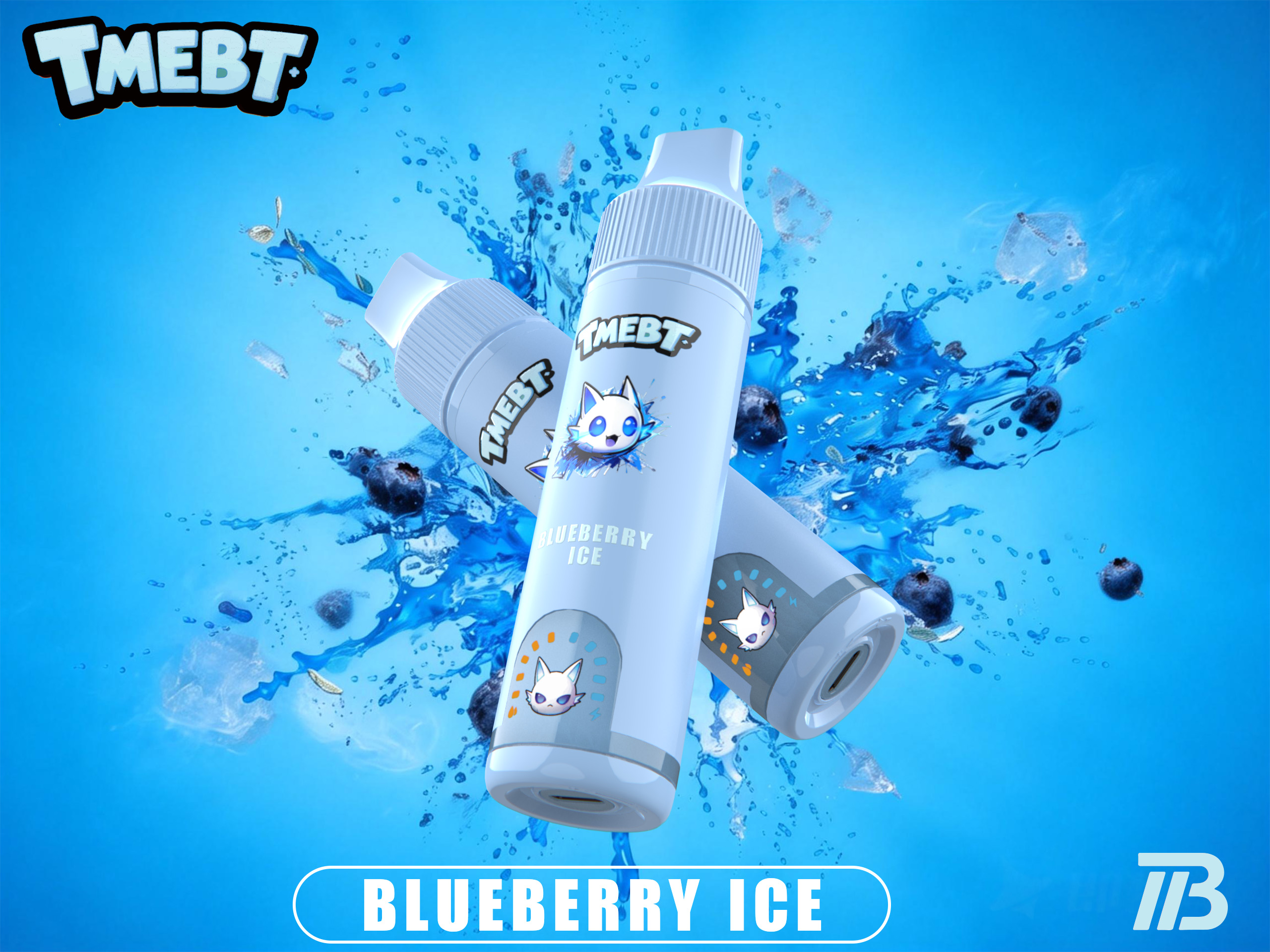
**TMEBT 25K Disposable Pod** — ฿450
[View product](/products/23/)